
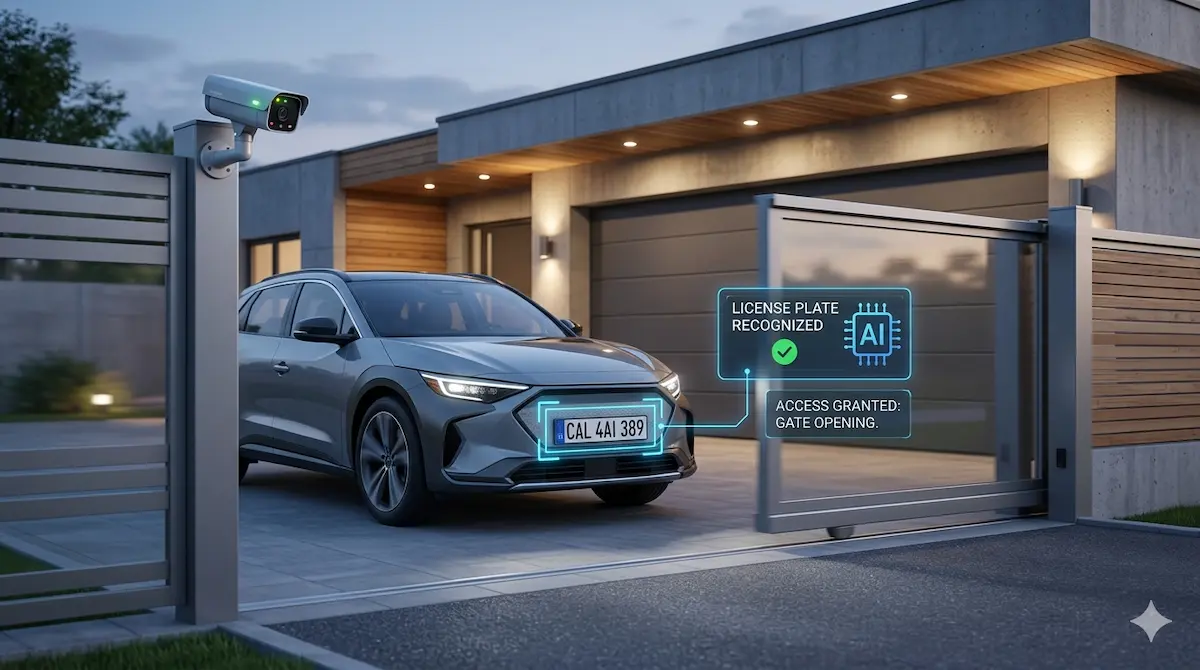
Quick Answer
AI license plate recognition camera can work very well for automatic gates, but only when the system is designed around controlled vehicle approach, readable plate capture, and safe gate logic. The main failures usually come from poor camera angle, excessive vehicle speed, weak night lighting, and treating LPR like magic instead of like a carefully staged identification task.
Introduction
LPR is one of the most appealing forms of access automation because it feels natural. The driver approaches, the system recognizes the plate, and the gate opens without a remote, keypad, or phone tap. When it works well, it feels elegant. When it fails, it usually fails for predictable physical reasons.
That is why garage and gate LPR should be approached like a controlled capture problem, not just a camera purchase. A plate must be visible, sharp, correctly exposed, and framed consistently enough for the software to read it. Then the gate logic must decide how much trust to place in that read. The camera, the lighting, and the automation all matter together.
Best For
- Homes or small sites with repeat vehicles and controlled gate approaches
- Users who want hands-free vehicle entry without remotes
- Properties willing to design around a proper capture zone instead of relying on a wide overview camera
Not Ideal For
- Fast uncontrolled vehicle approaches with poor lighting
- Users expecting a generic wide-angle camera to do reliable gate LPR by itself
Key Takeaways
- LPR works best when the vehicle path is predictable
- Plate capture quality matters more than raw megapixels alone
- Night lighting and shutter control are often the real make-or-break factors
- Gate opening logic should be designed with fail-safe thinking, not blind trust
What to Prioritize Before You Buy
Start with the approach geometry. If vehicles enter through a narrow, predictable lane and naturally slow down, LPR becomes much more realistic. If the gate area is wide, vehicles approach from odd angles, or drivers arrive quickly, plate capture becomes less reliable no matter how impressive the product page looks.
Second, prioritize identification design over surveillance design. A general overview camera may show the whole driveway beautifully and still fail at plate recognition. LPR works best when one camera is tasked specifically with reading the plate at the right distance and angle, while other cameras handle wider situational coverage.
What Usually Makes LPR Work Well
A good LPR setup usually has a controlled capture zone where vehicles slow down, the camera sees the plate with limited skew, and exposure is tuned for moving reflective plates. That often means a narrower field of view, carefully chosen mounting height, and enough light to keep shutter speed fast at night.
The most successful systems also separate recognition from decision-making. The system should not only read a plate, but also decide what to do if confidence is weak, if the plate is partially obscured, or if the vehicle is unknown. Good automation does not assume every read is equally trustworthy.
What Commonly Goes Wrong
The biggest mistake is trying to use one wide security camera for both full-scene surveillance and accurate plate capture. Another common mistake is underestimating night conditions. Reflective plates, headlights, rain, and slow shutter speeds can all destroy readability.
Users also often over-trust AI. Plate recognition can be very good, but garage and gate entry are physical access decisions. If the gate opens automatically, the system should handle uncertainty carefully. That may include confirmation rules, whitelist logic, or backup entry methods.
A Practical Step-by-Step Approach
Define the capture lane first. Decide where the plate should be read and where the vehicle should be when the gate is allowed to open. Then choose camera placement and lighting around that zone instead of mounting the camera wherever it is easiest.
After that, test with real vehicles in daytime and at night. Use multiple approach speeds, different plate conditions, and real weather if possible. A plate-recognition demo done from one perfect angle at noon does not prove the system is ready for daily gate automation.
Top Product Recommendations
https://amzn.to/426IhfSA dedicated Rekor Edge Pro capture camera
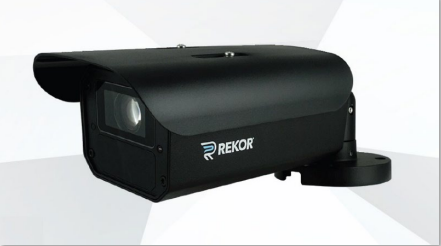
Best for: Gates where reliable plate reading matters more than general driveway overview.
Why it stands out: It lets the camera be optimized for plate sharpness, not scene width.
Main limitation: It usually needs a second camera if you also want broad contextual coverage.
A controlled entry lane with good lighting
Best for: Properties serious about usable night recognition.
Why it stands out: Better scene control often improves results more than chasing a “smarter” algorithm.
Main limitation: It can require more installation planning than buyers expect.
A fail-safe gate workflow
Best for: Users who want convenience without reckless access logic.
Why it stands out: It treats uncertain reads as exceptions instead of pretending every result is safe to trust equally.
Main limitation: It may add extra logic or backup methods that make the setup less “instant” on paper.
Pros
- Can make vehicle entry much more convenient
- Works especially well for repeat residents and controlled approaches
- Pairs well with modern local automation and gate control logic
Cons
- Night capture and angle control are harder than many buyers expect
- Bad LPR design creates both convenience problems and security risk
When DIY May Not Be Enough
If the gate protects a high-value property, handles multiple vehicles daily, or needs dependable performance in poor weather and at night, this can quickly become more than a simple smart-home project. At that point, camera placement, shutter strategy, lighting, and access logic should be treated like a real security design task.
Frequently Asked Questions
Can one driveway camera do LPR and general surveillance?
Sometimes, but usually not well enough for both jobs. LPR works best when a camera is dedicated to the plate-reading task.
What matters most at night?
Controlling glare, providing enough light, and keeping shutter speed fast enough to freeze the plate.
Should an LPR read open the gate automatically every time?
Not blindly. Sensitive access decisions should use confidence checks, whitelists, and sensible fallback methods.
Helpful Internal Links
- Wireless Security category
- Buying Guides category
- Any existing article on gate automation, forensic camera design, or access control
Final Recommendation
If you want LPR to open a gate reliably, design the capture first and the automation second. The camera should read plates in a controlled zone, not hope for miracles from a wide driveway view.