
Quick Answer
If you want a DIY alarm system that feels tightly integrated with the Ring ecosystem and built-in eero networking, Ring Alarm Pro has the stronger case. If you want a more flexible no-contract security platform with a more generous self-monitoring feel and stronger smart-home openness, Abode often makes the better argument. The better choice depends on whether you value Ring’s tighter bundle or Abode’s broader flexibility more.
Introduction
DIY alarm systems are no longer just about door sensors and sirens. Buyers now care about what happens when the internet drops, how the system fits into a larger smart home, and how much functionality survives without forcing a monthly plan. That is exactly why Ring Alarm Pro and Abode keep getting compared.
| Feature | Ring Alarm Pro | Abode (iota hub) |
| Local Smart Home Hub | Limited. Walled garden primarily for Amazon Alexa devices. Third-party devices are isolated. | Yes. Acts as an open hub for Z-Wave/Zigbee devices. Native compatibility with key ecosystems. |
| Native Integrations | Amazon Alexa only. | Apple HomeKit, Google Assistant, Amazon Alexa. |
| Third-Party Integrations | Limited unofficial community drivers for Hubitat and Home Assistant. | Multiple official and unofficial integrations, including Home Assistant. |
| Cellular Backup Data | 3GB/month included. $3 per additional GB. | Unlimited for alarm functions only. No data-rich functions (e.g., video streaming). |
| What does Cellular Backup do? | Provides “Backup Internet” for the entire home network, not just the alarm, acting as an Eero Wi-Fi 6 router. | Keeps the alarm system online for app control, push notifications, and monitoring station connection. |
| Plan Required | Ring Protect Pro ($20/mo or $200/yr). | Abode Pro plan ($26.99/mo or $245.99/yr). |
They solve the same broad problem in different ways. Ring Alarm Pro feels like a bundle built around Ring security plus eero networking and optional higher-tier services. Abode feels more like a flexible alarm platform for people who care about DIY control, no-contract ownership, and broad smart-home compatibility.
Best For
- Buyers comparing alarm systems beyond just entry price
- Homes that care about backup connectivity and self-monitoring flexibility
- Users deciding between a more locked-in ecosystem and a more open-feeling one
Not Ideal For
- People who only want a basic siren and a couple of sensors
- Buyers who have not thought about subscription tradeoffs yet
Key Takeaways
- Ring Alarm Pro is compelling when you want Ring plus eero in one system
- Abode is often stronger for no-contract flexibility and local-smart-home buyers
- Cellular backup matters most when it is paired with a plan that fits your real use case
- The better DIY alarm is the one that matches how you want to monitor and manage the home
What to Prioritize Before You Buy
Start with what “backup” really means to you. Some buyers only want alarm signaling during an outage. Others also care about broader internet continuity, app access, or ongoing smart-home function. The more you care about the total resilience story, the more important subscription details and service design become.
Next, decide how much you value openness. If the system is meant to sit inside a larger local-first smart home, flexibility and integrations matter a lot. If the system is meant to be a simple turnkey security stack with strong mainstream usability, the cleaner bundle may matter more than openness.
Where Ring Alarm Pro Has the Better Argument
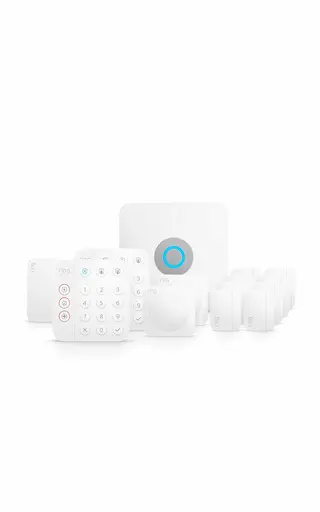
Ring Alarm Pro has the better argument when you want a more all-in-one security-and-networking bundle. Its appeal is strongest for homes already comfortable with Ring and willing to treat the alarm system as part of a bigger Ring/eero environment rather than as a more neutral security platform.
That makes it attractive for buyers who value convenience and a tighter packaged experience. If the household already leans heavily into Ring or Amazon-adjacent workflows, Ring Alarm Pro often feels like the lower-friction path.
Where Abode Has the Better Argument
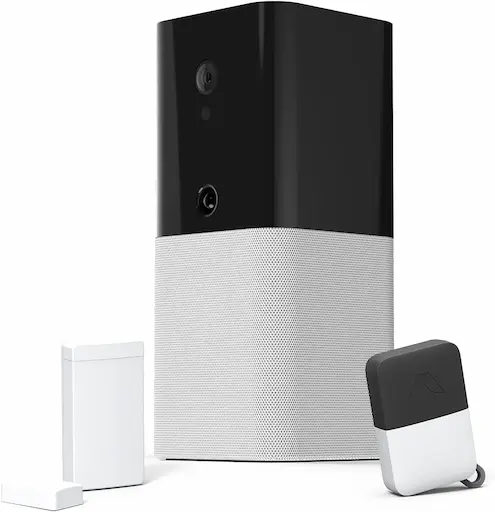
Abode has the better argument when you want a more flexible DIY alarm system and do not want the value story to collapse without a subscription. It tends to appeal more to buyers who want useful self-monitoring, broad smart-home compatibility, and a platform that feels less like a subscription funnel.
That is especially relevant for users who care about HomeKit, local integration, or a more privacy-conscious security posture. Abode often feels more natural for buyers who want a security hub that can still coexist with a wider smart-home strategy.
Common Mistakes and Tradeoffs
The biggest mistake is comparing only hardware kits and ignoring what functionality changes once the plan story changes. Another mistake is assuming “cellular backup” means the same thing across every system and plan tier.
The tradeoff is clear. Ring Alarm Pro often feels stronger as a polished bundle. Abode often feels stronger as a flexible security platform. The better system depends on whether you want a cleaner package or a more capable long-term DIY foundation.
Top Product Recommendations
Ring Alarm Pro
Best for: Buyers who want Ring security plus built-in networking in one ecosystem-driven package.
Why it stands out: It combines alarm functions with eero-based network features and a more bundled mainstream experience.
Main limitation: Its most attractive resilience features often make the subscription story more important.
Abode
Best for: Buyers who want a more flexible DIY alarm platform with stronger self-monitoring appeal.
Why it stands out: It often feels more capable without immediately forcing the user into a heavy plan dependency.
Main limitation: It may feel less bundled and less ecosystem-polished for buyers who prefer a simpler all-in-one package.
A local-first alarm strategy
Best for: Users who care about more than just app convenience.
Why it stands out: It keeps the comparison focused on what the system can do when cloud assumptions are reduced.
Main limitation: It can require more thought than buying the most heavily marketed kit.
Pros
- Ring Alarm Pro offers a compelling integrated bundle
- Abode offers stronger no-contract and flexibility appeal
- Both can work well when matched to the right monitoring philosophy
Cons
- The subscription story matters more than many buyers expect
- The better choice depends heavily on ecosystem preference and self-monitoring expectations
When DIY May Not Be Enough
If the property needs many zones, stronger response procedures, or more serious continuity planning, the comparison may need to go beyond DIY convenience and into broader alarm design and monitoring workflow decisions. At that point, reliability and escalation paths matter more than consumer app polish.
Frequently Asked Questions
Which is better without a contract?
For many buyers, Abode tends to feel more flexible and more satisfying when the goal is useful no-contract ownership.
Why pick Ring Alarm Pro?
It makes more sense when you want Ring plus eero in one ecosystem-driven package and are comfortable with the subscription structure that unlocks its broader value.
What matters most?
How much value remains without a plan, how backup really works in your chosen tier, and how well the alarm fits the rest of your smart home.
Helpful Internal Links
Final Recommendation
If you want the tighter Ring-and-network bundle, Ring Alarm Pro is a very coherent choice. If you want the stronger flexible DIY security platform with a more capable self-monitoring feel, Abode usually makes the better long-term case.