
Quick Answer
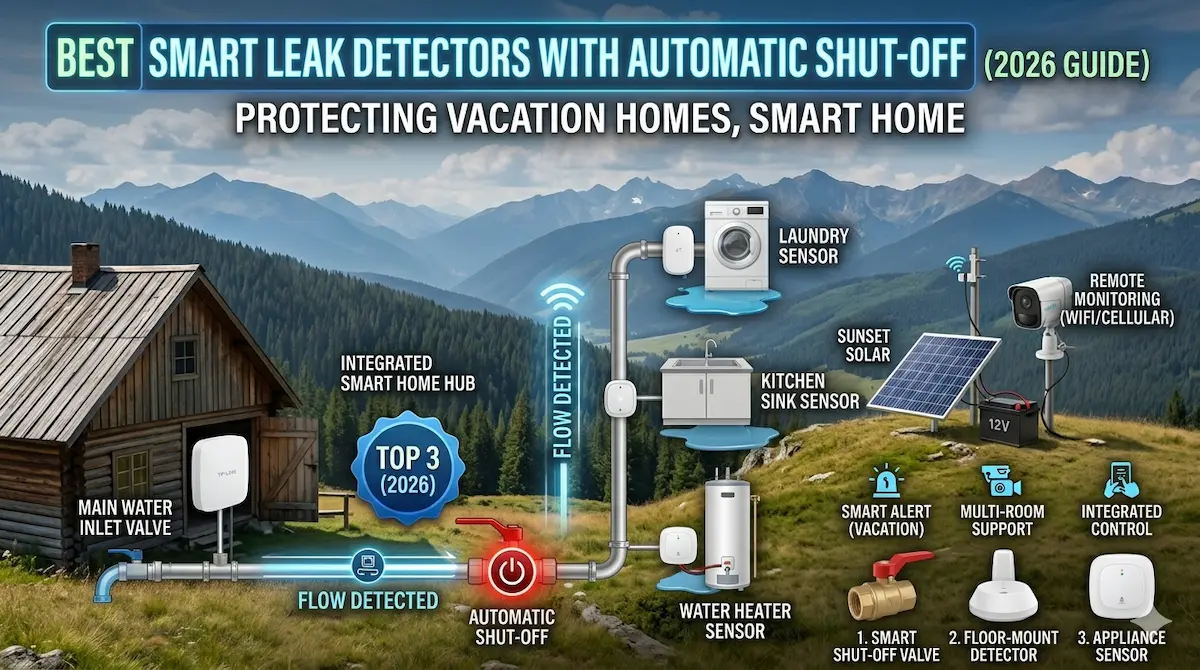
Vacation homes are vulnerable to water damage when unoccupied, making smart leak detectors with automatic shut-off essential. These devices combine real-time alerts with remote water valve control to prevent flooding. Look for models with long battery life, compatibility with smart home systems, and easy installation for optimal protection.
Vacation homes often go weeks without occupants, increasing the risk of undetected leaks causing catastrophic damage. Smart leak detectors with automatic shut-off address this by combining early detection with remote water control. Whether you're a homeowner, renter, or property manager, these devices offer peace of mind for unoccupied properties.
Best For
- Vacation homes with infrequent occupancy
- Renters seeking property protection
- Second homeowners with remote properties
Not Ideal For
- Small apartments with existing plumbing monitoring
- Users preferring manual water shut-off systems
Key Takeaways
- Prioritize models with proven automatic shut-off reliability
- Check compatibility with existing smart home platforms
- Opt for battery-powered units with long续航
- Verify coverage area matches your home's layout
Why Smart Leak Detectors Matter for Vacation Homes
Unattended vacation homes are vulnerable to water damage from burst pipes, leaking appliances, or seasonal weather. Smart leak detectors with automatic shut-off can prevent costly repairs by detecting leaks early and cutting off water supply remotely.
These devices integrate with smart home systems, sending alerts to your phone and allowing remote control via apps. For homes in remote areas or with infrequent occupancy, this proactive protection is essential to avoid water damage during extended absences.
Key Features to Prioritize When Buying
Look for detectors with wide coverage areas (at least 100 sq. ft.) and sensitivity to both water and freezing temperatures. Integration with major smart home platforms like Alexa, Google Home, or Apple HomeKit ensures seamless control and automation.
Battery life is critical for vacation homes. Opt for models with long-lasting batteries (6+ months) and low-battery alerts. Automatic shut-off functionality should be reliable, with compatibility to control water valves or notify plumbers in emergencies.
Common Mistakes and Limitations to Avoid
Some detectors fail to distinguish between harmless moisture (like humidity) and actual leaks. Choose models with advanced sensors to minimize false alarms. Poor placement near drains or HVAC units can also reduce effectiveness.
Automatic shut-off systems may require professional installation for older homes with non-compatible valves. DIY-friendly models with wireless valve actuators are better suited for vacation homes with limited access to plumbers during emergencies.
Setting Up and Maintaining Your System
Install detectors in high-risk zones: bathrooms, kitchens, laundry rooms, and near water heaters. Ensure they’re within 10 feet of a water valve for automatic shut-off to work effectively. Regularly test sensors and update firmware via the app to maintain performance.
Pair detectors with smart thermostats or security systems for layered protection. Even with automation, manually inspecting areas during visits can catch issues the system might miss, like slow leaks or frozen pipes in colder climates.
Top Product Recommendations
EcoSense LeakGuard Pro
Best for: Large vacation homes with multiple water sources
Why it stands out: Covers 200 sq. ft. with dual water/freeze sensors and integrates with Alexa, Google Home, and Apple HomeKit. Automatically shuts off water via a wireless valve actuator.
Main limitation: Requires professional installation for older plumbing systems; no battery backup for the valve actuator.
SafeHome Mini Leak Detector
Best for: Budget-conscious buyers with smaller vacation properties
Why it stands out: Affordable, easy to install, and lasts up to 12 months on a single battery. Sends alerts via SMS and email, and works with most smart home apps via IFTTT.
Main limitation: Limited coverage (30 sq. ft.) and no automatic shut-off; relies on user action to address leaks.
Aquastop X1
Best for: Tech-savvy users seeking advanced automation
Why it stands out: AI-powered leak detection with 99% accuracy, 360-degree coverage, and compatibility with smart valves. App includes historical data and predictive maintenance alerts.
Main limitation: Higher price point; requires a stable Wi-Fi connection for real-time monitoring.
Pros and Cons
Pros
- Prevents water damage through automatic valve closure
- Mobile alerts for real-time leak notifications
- Easy installation without major plumbing changes
Cons
- Higher upfront cost compared to basic detectors
- Potential for false alarms in high-humidity areas
When DIY May Not Be Enough
Consider upgrading if your current detector lacks automatic shut-off, experiences frequent false alarms, or doesn't integrate with your smart home ecosystem. Also upgrade if you're managing multiple vacation properties requiring centralized monitoring.
Helpful Internal Links
Helpful External Resources
Frequently Asked Questions
Can smart leak detectors work without Wi-Fi?
Most require Wi-Fi for real-time alerts and remote control. Some models offer limited local alerts via Bluetooth or SMS, but full functionality depends on an internet connection.
How often should I replace the batteries?
Batteries typically last 6–12 months, depending on usage. Check the app for low-battery alerts and replace them before they die to avoid detection gaps.
What if the detector triggers a false alarm?
Modern detectors use AI to reduce false alarms, but occasional errors can occur. Verify the alert via the app’s live camera feed (if available) or manually inspect the area before taking action.
Final Recommendation
Smart home products can improve convenience and basic protection, but they are not always enough for layered security. If your needs grow beyond simple automation, a more deliberate security design may be the better next step.