
Quick Answer
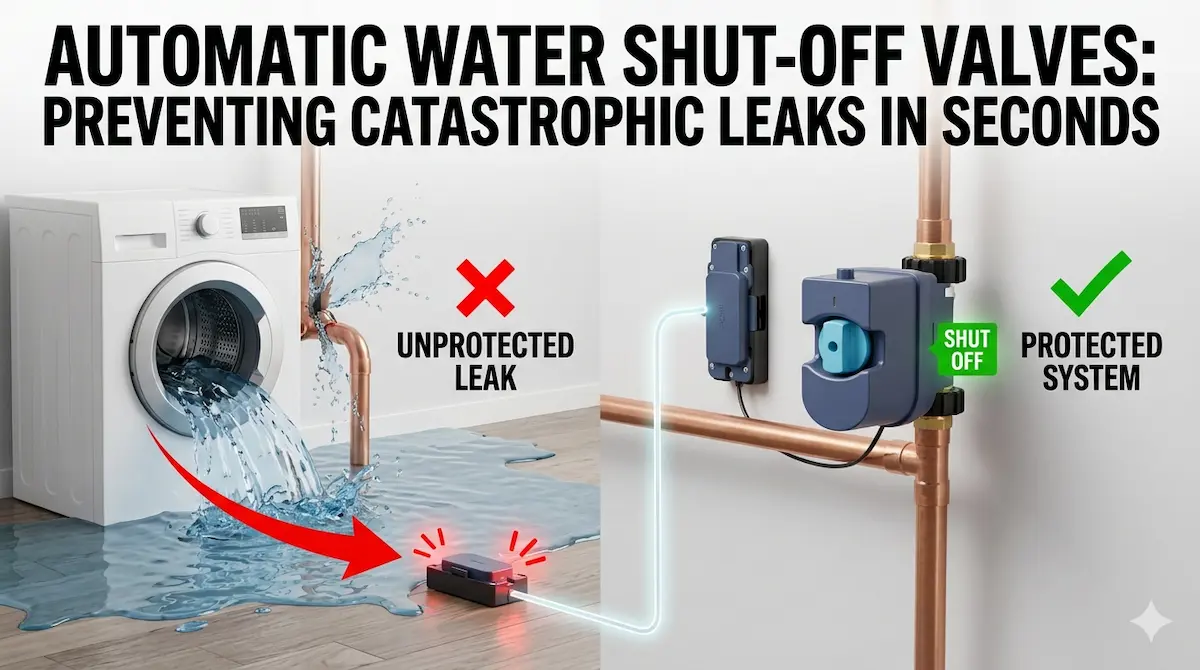
An automatic water shut-off valve can be one of the most effective ways to reduce major water damage because it turns leak detection into action. But the valve only works as well as the detection logic, the plumbing fit, and the fail-safe behavior around it. The right system shuts water off quickly without becoming fragile, hard to maintain, or prone to unnecessary trips.
Introduction
By the time a person notices a serious leak, damage may already be spreading through floors, walls, or cabinets. That is why water leak alerts by themselves are often not enough. A phone notification is useful, but if no one is home to respond, the water may keep flowing until the damage becomes much worse.
| Layout Need | Recommended Product | Key Advantage |
| New Construction / Full Pipe Access | Moen Flo | Massive insurance rebates and AI monitoring. |
| Large/Multi-Floor Homes | Phyn Plus | Pressure-wave tech detects leaks through the entire structure. |
| Apartments / Rental Properties | Guardian | No pipe cutting; can be removed when you move. |
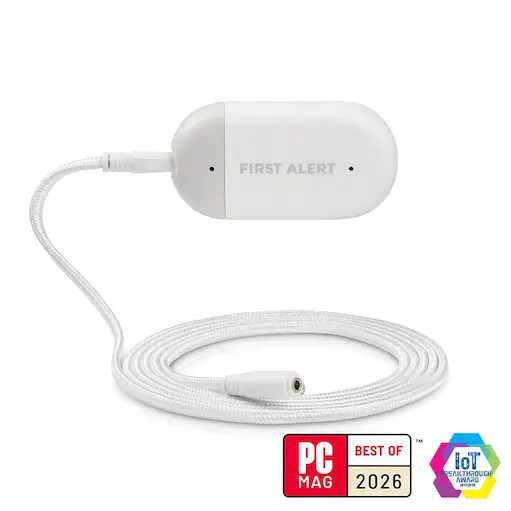
| Basements / Flood Zones | First Alert L1 | Extendable sensor cables cover up to 500 linear feet. |
Automatic shut-off changes that equation. Instead of asking a person to react quickly, the system can cut water supply as soon as the leak logic is confident enough. That makes the design question more serious: what should trigger the shutoff, how quickly, and under what conditions should the home regain water service safely?
Best For
- Homes with recurring leak risk from heaters, laundry, sinks, or appliance lines
- Users who want more than a simple push notification
- Properties where water damage could become severe before someone notices
Not Ideal For
- People who have not verified valve compatibility and plumbing layout
- Users expecting a shut-off valve alone to solve badly planned leak detection
Key Takeaways
- Shut-off valves are most valuable when paired with dependable leak detection
- Valve fit and plumbing reality matter as much as app features
- Fail-safe design matters because false trips and failed reopen logic are real concerns
- The goal is fast protection without turning water service into a fragile automation toy
What to Prioritize Before You Install One
Start with where the valve will actually live. The main shutoff point, pipe size, valve type, clearance, and power availability all matter. A great-looking automation idea can become impractical if the physical installation point is awkward, inaccessible, or incompatible with the chosen valve approach.
Second, think carefully about the detection logic. Not every small water event should immediately shut the whole house down. A smart system should distinguish between high-risk leak zones and lower-risk nuisance possibilities so the response feels protective rather than disruptive.
What Usually Makes These Systems Work Well
The best systems pair a physically reliable shut-off mechanism with leak sensors placed where serious failures are most likely to start. That often means under sinks, near water heaters, behind washing machines, and around filtration or appliance lines. Good placement matters more than just having many sensors.
The strongest designs also define what happens next. Does the system shut off instantly on one wet reading, or does it require confirmation in some zones? How is the owner notified? How is the valve reopened safely? The most trustworthy shut-off systems behave predictably before, during, and after the event.
What Commonly Goes Wrong
The biggest mistake is focusing only on the valve motor and ignoring the leak-detection strategy. Another mistake is assuming every plumbing setup can accept the same solution easily. Main shutoff layouts vary, and some installations are far more service-friendly than others.
Users also sometimes create brittle logic. If a false trigger shuts the whole house down too easily, trust in the system drops fast. Water protection has to be serious enough to act quickly, but disciplined enough that people do not disable it after one bad experience.
A Practical Step-by-Step Approach
Identify the main shutoff and confirm valve compatibility first. Then place leak sensors in the highest-risk zones, not just the easiest zones. Decide which events should trigger immediate whole-house shutoff and which should only alert first.
After installation, test the valve regularly and rehearse the notification-and-recovery flow. A shut-off valve is not just a gadget. It is a protective mechanism that should be verified like any other important safety system.
Top Product Recommendations
A shut-off valve matched to the real plumbing layout
To maximize the effectiveness of a feature post on automatic water shut-off systems, product recommendations should be categorized by their functional integration into a home’s infrastructure.
1. Shut-off Valves Matched to Plumbing Layout
These systems are integrated directly into the main water line, replacing standard valves with intelligent hardware.
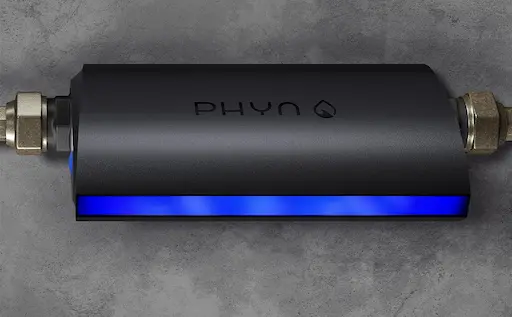
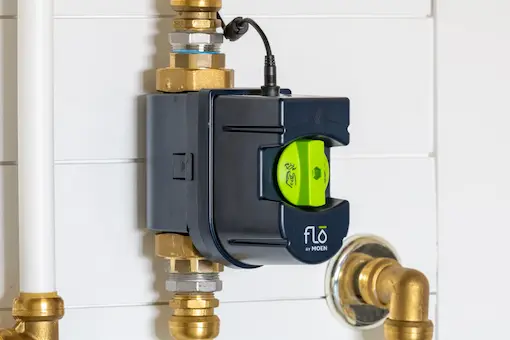
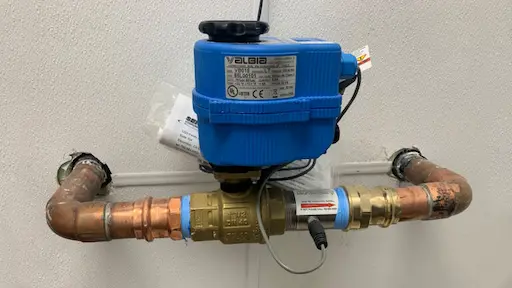
- Best for: Homes seeking durable, permanent protection rather than a “bolt-on” retrofit.
- Top Recommendations:
- Phyn Plus (2nd Gen): Uses ultrasonic flow sensors with no internal moving parts, making it significantly more durable than systems with mechanical turbines.
- Moen Flo Smart Water Monitor: Widely considered the “Ferrari” of water security; it is installed directly on the main line for the most precise possible monitoring.
- Leak Defense System by Watts: A premium, professional-grade option designed specifically for large homes with multiple water lines.
- Why it stands out: A proper physical fit ensures the automation acts as a dependable, structural part of the plumbing system.
- Main limitation: High installation complexity; these typically require a professional plumber to cut into the main water line.
2. Risk-Based Leak Sensor Layouts
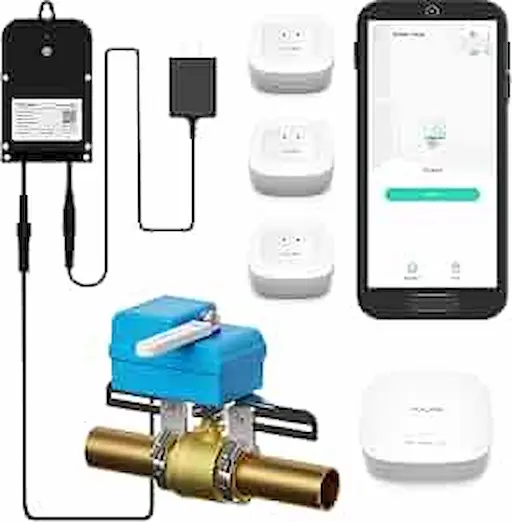
These systems rely on placing specialized sensors in high-risk zones (e.g., near washing machines, water heaters, or basements).

- Best for: Users who want a fast response in specific areas where catastrophic damage is most likely.
- Top Recommendations:
- YoLink Hub & Sensor Kit: Ideal for large homes or deep basements because it uses LoRa technology, which has a much longer range and higher reliability than standard Wi-Fi sensors.
- Alert Labs (Floodie): A modular system specifically designed to monitor varied “at-risk” areas like server rooms, cooling towers, and hot water tanks.
- First Alert L1: Features extension cables up to 500 feet, allowing for targeted sensor placement in hard-to-reach crawlspaces.
- Why it stands out: It provides the shut-off valve with high-fidelity data about specific rooms, rather than relying on a single central monitor.
- Main limitation: Requires strategic planning and an understanding of the house’s specific leak risks.
3. Fail-Safe Reopen and Test Routines
These systems prioritize long-term reliability through automated self-testing and maintenance alerts.
Best for: Households that want to ensure the system remains functional years after the initial installation.
Top Recommendations:
- Moen Flo: Features MicroLeak™ Technology, which runs daily proactive “health checks” to identify drips as small as one teaspoon per minute.
- Aqualeak EMS Systems: These panels continuously monitor the health of the sensors themselves, alerting the user immediately if a connection is broken or a cable is damaged.
Why it stands out: Regular testing prevents the valve from seizing up over time and ensures it isn’t just a “one-time novelty” that fails when actually needed.
Main limitation: Adds operational discipline; users must be prepared to respond to “health check” failures or system alerts.
- Can dramatically reduce damage from unattended leaks
- Turns leak detection into immediate protective action
- Works especially well in higher-risk plumbing zones
Cons
- Bad logic or bad fit can create frustrating false events or poor reliability
- Installation and maintenance deserve more seriousness than a normal smart-home gadget
When DIY May Not Be Enough
If the plumbing is complex, the shutoff location is difficult, or the home depends on continuous water service in sensitive ways, this can quickly become more than a casual DIY upgrade. At that point, plumbing fit, testability, and fail-safe behavior deserve real design attention.
Frequently Asked Questions
Do I still need leak sensors if I have a shut-off valve?
Yes. The valve needs dependable leak information or trigger logic to know when it should act.
What matters most?
Valve compatibility, sensible leak sensor placement, and clear fail-safe behavior around shutoff and recovery.
What is the biggest mistake?
Treating the shut-off valve like an app feature instead of like a real protective plumbing mechanism.
Helpful Internal Links
Final Recommendation
An automatic shut-off valve is one of the few smart-home devices that can stop real physical damage in progress. Treat it seriously: match it to the plumbing, place the sensors intelligently, and make sure the protection logic is worthy of the trust you place in it.