Quick Answer
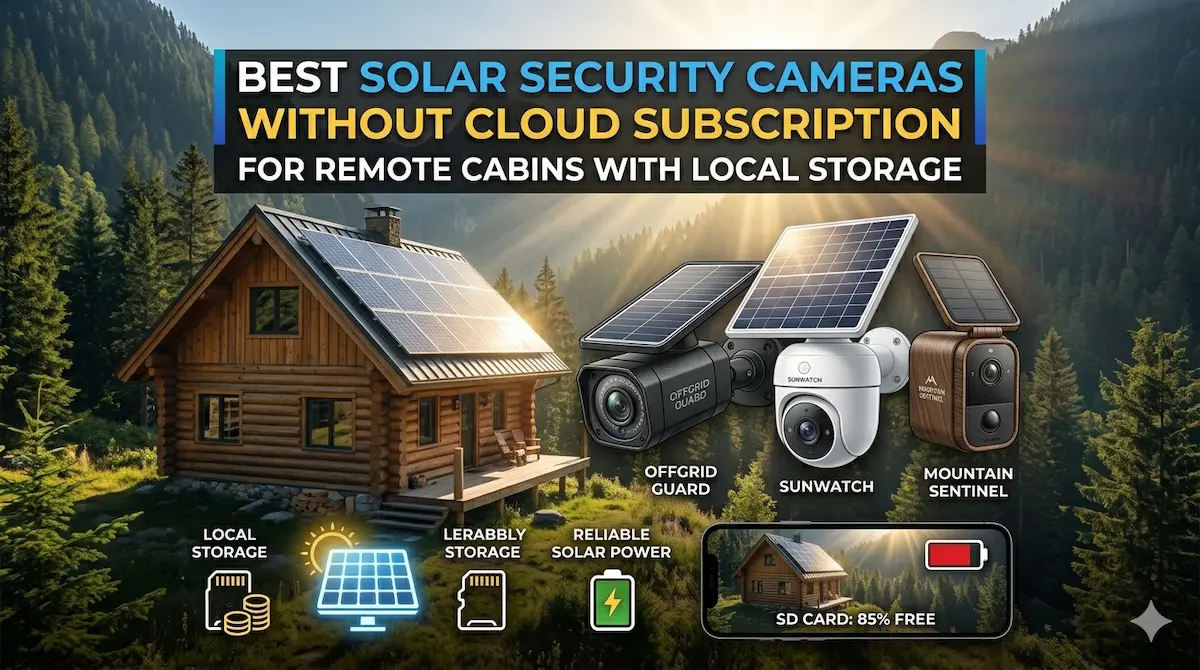
For remote cabins without consistent power or internet, solar security cameras with local storage offer reliable surveillance. Look for models with long battery life, weather resistance, and SD card support. Prioritize cameras that operate independently of cloud services to ensure data privacy and functionality in isolated areas.
Securing a remote cabin can be challenging without access to traditional power sources or internet connectivity. Solar security cameras with local storage provide a practical solution by combining renewable energy with offline data retention. These systems eliminate reliance on cloud services, making them ideal for off-grid locations where reliability and independence are critical.
Best For
- Off-grid remote cabins
- Areas with unreliable internet
- Users prioritizing data privacy
Not Ideal For
- Cabins needing real-time cloud monitoring
- Areas with frequent power outages
Key Takeaways
- Opt for cameras with built-in solar panels and long battery life
- Local storage via SD cards ensures data availability without internet
- Weather-resistant designs are essential for harsh outdoor conditions
- Look for models with motion detection and night vision
Why Solar Security Cameras Are Essential for Remote Cabins
Remote cabins often lack access to traditional power sources, making solar security cameras a practical and sustainable solution. These cameras harness sunlight to charge their batteries, ensuring continuous operation even in off-grid locations. With local storage options like microSD cards, they eliminate reliance on internet connectivity, which can be unreliable in remote areas.
Choosing solar-powered cameras also reduces long-term costs by eliminating electricity bills. Additionally, many models feature weather resistance and night vision, making them suitable for harsh outdoor conditions. This combination of reliability, independence, and durability makes solar security cameras a top choice for cabin owners.
Key Factors to Prioritize When Buying Solar Security Cameras
When selecting solar security cameras for remote cabins, prioritize battery life, solar panel efficiency, and storage capacity. Look for models with long battery life (24+ hours) and fast charging times to ensure coverage during overcast days. High-efficiency solar panels are crucial for maximizing energy absorption in low-light conditions.
Local storage capabilities are equally important. Opt for cameras with expandable microSD card slots (up to 256GB or more) to store high-resolution video without cloud subscriptions. Additionally, consider features like motion detection, two-way audio, and smartphone app integration for remote monitoring and alerts.
Common Mistakes and Tradeoffs to Avoid
One common mistake is underestimating the importance of solar panel placement. Cameras with poorly positioned panels may struggle to charge, leading to frequent downtime. Ensure panels are installed in areas with maximum sunlight exposure, away from obstructions like trees or buildings.
Another tradeoff involves storage capacity versus video quality. Higher resolution settings consume more storage space, so balance your needs based on how frequently you plan to review footage. Some models also sacrifice features like 4K resolution or advanced AI detection to keep costs lower, which may impact performance in critical situations.
Setting Up and Maintaining Solar Security Cameras
Proper setup is critical for optimal performance. Mount cameras at least 10–15 feet off the ground to deter intruders and avoid obstructions. Use a sturdy mounting bracket and ensure the solar panel is angled toward the sun (typically 30–45 degrees). Test the camera’s connectivity and storage settings before finalizing installation.
Maintenance is minimal but essential. Clean solar panels regularly to remove dust or debris that could reduce efficiency. Check battery health periodically and replace microSD cards if corruption occurs. Most modern models include self-diagnostic features that alert you to potential issues via smartphone apps.
Top Product Recommendations
Arlo Pro 4 Solar
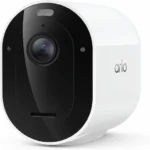
Best for: Cabins with high security needs and reliable internet access
Why it stands out: Offers 4K video, 24/7 solar-powered operation, and local storage via microSD card. Its advanced motion detection and two-way audio make it ideal for monitoring remote areas.
Main limitation: Higher price point compared to basic models; requires occasional manual firmware updates.
Ring Solar Stick Up Cam
Best for: Users seeking easy installation and integration with existing Ring ecosystems
Why it stands out: Provides 1080p HD video, weather resistance, and seamless compatibility with Ring Alarm systems. The built-in solar panel charges efficiently in most conditions.
Main limitation: Limited local storage options (only 128GB max); depends on Ring Cloud for advanced features.
Reolink Argus 3
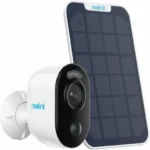
Best for: Budget-conscious buyers needing basic functionality and durability
Why it stands out: Affordable price, 1080p video, and 30-day local storage via microSD. Its solar panel charges quickly and works well in low-light conditions.
Main limitation: Fewer advanced features like AI detection; battery life is shorter than premium models.
Pros and Cons
Pros
- No reliance on internet or cloud services
- Data stored locally for privacy and reliability
- Durable designs suitable for harsh outdoor environments
Cons
- Limited storage capacity compared to cloud systems
- Higher upfront cost for premium models
When DIY May Not Be Enough
Consider upgrading if your current camera’s storage capacity is insufficient for long-term monitoring or if you need advanced features like AI motion detection, 4K resolution, or integration with other off-grid systems. Upgrading may also be necessary if you experience frequent false alerts or need extended battery life during prolonged periods of low sunlight.
Helpful Internal Links
Helpful External Resources
Frequently Asked Questions
How long do solar security cameras last on a single charge?
Most models last 24–48 hours on a full charge, depending on battery capacity and usage. Cameras with higher efficiency solar panels and lower power consumption can extend this duration.
Can I use solar security cameras without an internet connection?
Yes, many models support local storage via microSD cards, allowing offline operation. However, features like real-time alerts and remote viewing require an internet connection.
What storage options are available for solar security cameras?
Most cameras use microSD cards (up to 256GB) for local storage. Some models also offer cloud storage subscriptions for additional backup, though this may incur monthly fees.
Are solar security cameras weatherproof for outdoor use?
Yes, reputable models are rated IP66 or higher, making them resistant to rain, snow, and extreme temperatures. Always check the manufacturer’s specifications for exact weatherproofing details.
Final Recommendation
Off-grid and backup-oriented products can work very well when matched to the right environment. If your site is remote, harsh, or mission-critical, it is worth thinking beyond entry-level DIY solutions.